





35+
years of expert eyecare doctors experience




















Why Clients Trust Us
I had a great experience at Lens N Frames Optical. The staff was very knowledgeable and always ready to help with a smiling face to find the perfect pair of glasses. The eye exam was thorough, and they had a fantastic selection of frames at reasonable prices. Highly recommend for anyone looking for quality eyewear and excellent customer service!

Sudipta Mondal
Brampton, CanadaI had an excellent experience with Akbar and his team, right from the initial eye check-up to the final delivery of spectacles for my entire family. Their attention to detail, timely service, and smooth handling of insurance processing made the whole process seamless. I truly appreciate their dedication and professionalism. Thank you for taking great care of us!
Srisha Singu
Scarborough, CanadaHad an amazing experience with the team! They were professional, knowledgeable, and took the time to ensure I got the perfect glasses at a great price. Exceptional service and highly recommended!

Warren Jansen
Richmond Hill, CanadaThe service here is absolutely phenomenal! They were so kind and welcoming, as well as eager to help me with my inquiries! They answered all my questions and concerns and I left with the perfect pair of glasses! Honestly couldn’t have asked for a better experience. Thank you again!
Dana Antonios
Toronto, Canada
Get Appointment
Book your eye Exam online.
Our qualified staff will help you.
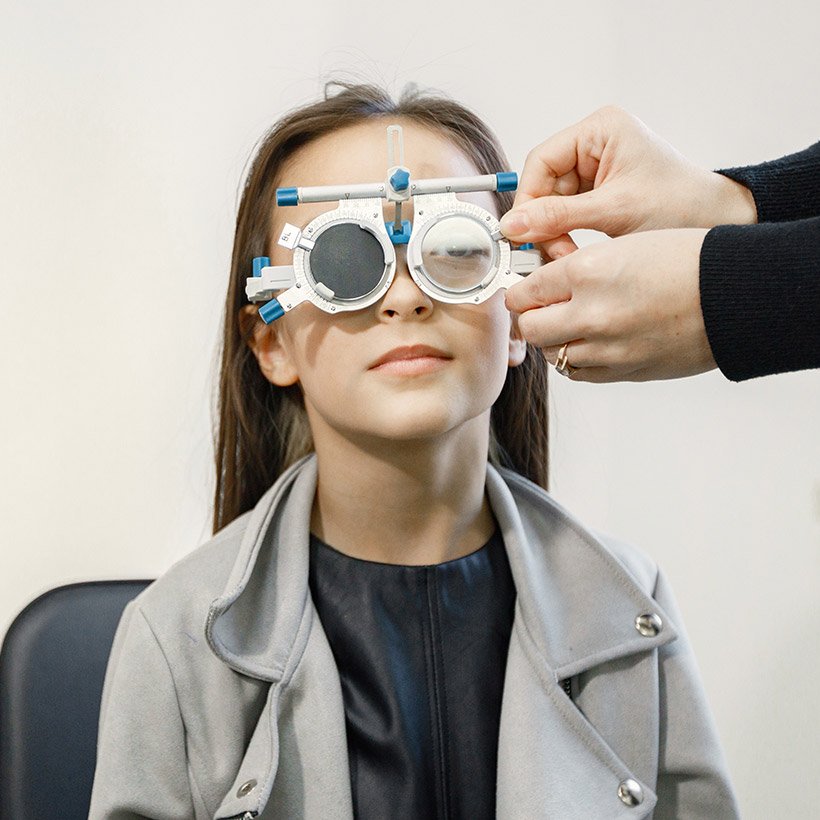
Start Check-Up
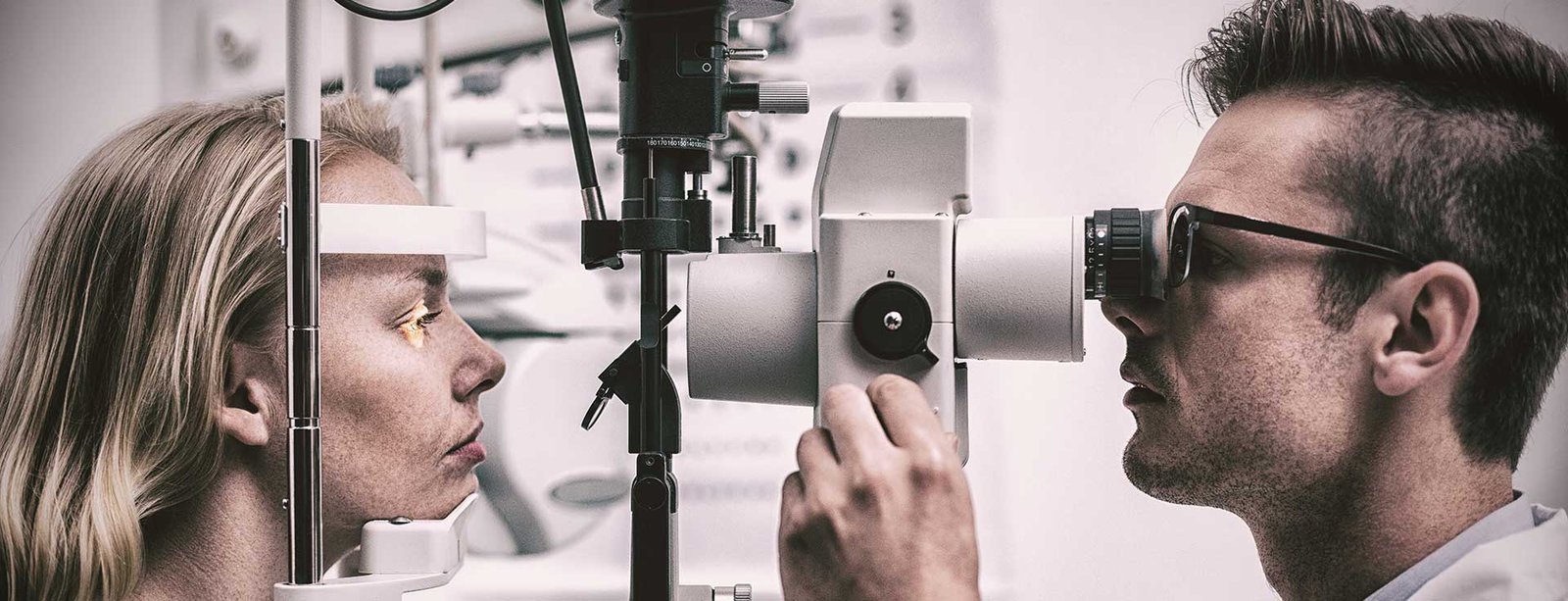
Qualified Eye Doctor will examine you with state of the art equipment

Enjoy Healthy Life
See the world clearly with expert care and advanced technology




Resources to Keep You Informed
with Our Blog
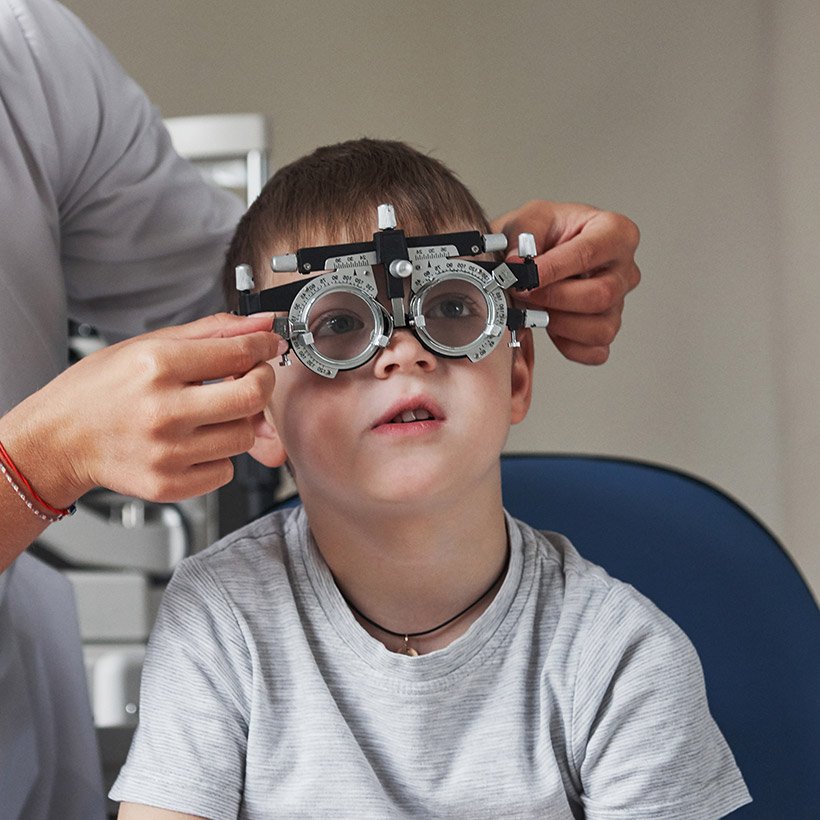
Get Ready for Your Appointment with Your Eye Specialist
Our eyes are among the most important organs in our body, yet they’re often the most neglected. Many people only visit an eye specialist when they notice blurred vision or discomfort. However, just like regular dental cleanings or physical exams, routine eye checkups play a crucial role in maintaining your overall health and preventing serious eye conditions. Why You Should Schedule an Appointment with an Eye Specialist 1. Early Detection of Eye Diseases Many serious eye conditions—such as glaucoma, cataracts, and macular degeneration, develop slowly and often without noticeable symptoms in the early stages. Regular visits to your eye specialist allow for early detection, which means treatment can begin before the condition causes permanent vision loss. 2. Monitoring Vision Changes Vision changes can happen gradually. Regular eye exams ensure that your prescription for glasses or contact lenses is up-to-date, helping you see clearly and avoid eye strain, headaches, or difficulty focusing. 3. Detecting Other Health Problems Your eyes can reveal much more than vision issues. During an eye examination, specialists can detect signs of diabetes, high blood pressure, high cholesterol, and even autoimmune diseases. This makes eye exams an important part of overall preventive healthcare. 4. Protecting Children’s Vision For children, clear vision is essential for learning and development. Regular pediatric eye exams can detect problems like lazy eye (amblyopia) or strabismus (crossed eyes) early when they’re most treatable. 5. Maintaining Eye Comfort in a Digital Age In today’s screen-heavy world, many people experience digital eye strain, dry eyes, and blurred vision from prolonged computer or smartphone use. An eye specialist can recommend lifestyle changes, lubricating drops, or special lenses to help you stay comfortable. How Often Should You Visit an Eye Specialist? The frequency of visits depends on your age, health, and risk factors, but as a general guide: Children: First exam at 6 months, then at age 3, before starting school, and every 1–2 years thereafter. Adults (18–40): Every 2 years, or annually if you wear corrective lenses. Adults (40–60): Every 1–2 years, eye diseases become more common in this stage. Seniors (60+): Every year to monitor age-related changes. 🧴 Tips to Prepare for Your Appointment Bring your current glasses or contact lenses. Make a list of symptoms or changes you’ve noticed in your vision. Prepare a list of medications you’re taking. Note any family history of eye diseases. Be ready for pupil dilation, which helps the specialist get a clear view of the inside of your eyes. 👓 Takeaway Your eyes deserve the same care and attention as the rest of your body. Whether you’re noticing changes in your vision or just due for a routine check, scheduling an appointment with your eye specialist is a vital step in protecting your vision and overall health. Book now Don’t wait until something feels wrong make your eye health a priority today!
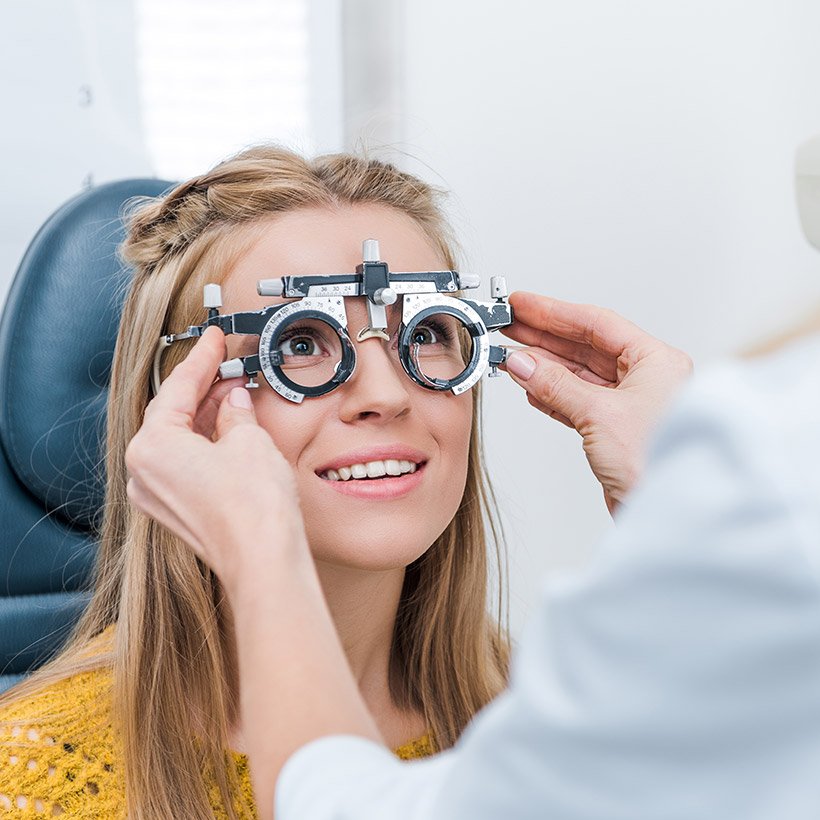
Understanding How Inherited Retinal Diseases Develop?
Understanding the Retina The retina is the thin, light-sensitive layer at the back of your eye that captures visual images and sends them to the brain. It’s like the film in a camera if it’s damaged, vision becomes blurry or lost.Inherited retinal diseases (IRDs) are a group of rare, genetic disorders that cause the retina to gradually lose its function over time. The Genetic Cause Behind IRDs Inherited retinal diseases happen when mutations occur in the genes responsible for building and maintaining healthy retinal cells.These faulty genes can disrupt how the retina processes light, leading to progressive vision loss. Depending on which gene is affected, the condition can be passed down in different inheritance patterns: Autosomal dominant – one copy of the faulty gene (from one parent) is enough to cause the disease. Autosomal recessive – both parents carry a copy of the faulty gene, but don’t have the disease themselves. X-linked – the faulty gene is on the X chromosome, usually affecting males more severely. Common Types of Inherited Retinal Diseases Some of the well-known IRDs include: Retinitis Pigmentosa (RP): Causes night blindness and tunnel vision. Stargardt Disease: Leads to loss of central vision in childhood or adolescence. Leber Congenital Amaurosis (LCA): A severe, early-onset form of blindness. Choroideremia: Gradual loss of peripheral and central vision over time. Each condition affects the retina differently, but most share one trait they worsen gradually as retinal cells break down. What “Eye Exam Online” Says In Eye Exam Online, it’s emphasized that early genetic screening and retinal imaging can make a big difference in managing inherited retinal diseases.Knowing your genetic status helps: Identify risks for family members Plan lifestyle and treatment adjustments early Access emerging gene therapies and clinical trials This proactive approach empowers individuals and families to make informed eye health decisions. The Role of Lens N Frames Optical At Lens N Frames Optical, we believe that eye health is more than just vision correction it’s about understanding the root causes of eye conditions.Our team encourages everyone, especially those with a family history of retinal disorders, to get a comprehensive eye exam. Early diagnosis can preserve sight and open up treatment options that didn’t exist a decade ago. Key Takeaway Inherited retinal diseases happen due to genetic mutations affecting retinal function, and while they can’t always be prevented, early detection and modern genetics are changing the story for many patients. With the guidance from experts, resources like Eye Exam Online, and dedicated centers such as Lens N Frames Optical, clearer vision and hope are within reach.

Some Eye Problems are Minor and don’t…
Lorem ipsum dolor sit amet consectur adipisicing elit sed do eiusmod tempor aliqua nisenim ad minim veniam quis nostrud exercitation ullamco laboris nisi aliquip ecommodo consequat duis aute reprehenderit in voluptate. velit esse cillum dolore eu fugiat nulla pariatur. Excepteur sint occaecat cupidatat non proident, sunt in culpa qui officia deserunt mollit anim id est laborum. Sed ut perspiciatis unde omnis iste natus error sit voluptatem accusantium doloremque laudantium, totam rem aperiam. Eaque ipsa quae ab illo inventore veritatis et quasi architecto beatae vitae dicta sunt explicabo. Nemo enim ipsam voluptatem quia voluptas sit aspernatur aut odit aut fugit, sed quia consequuntur magni dolores eos qui ratione voluptatem sequi nesciunt. Lorem ipsum dolor sit amet consectur adipisicing elit sed do eiusmod tempor incidunt labore dolore magna aliqua enim minim veniam, quis nostrud ex ercitation ullamco laboris nisi ut aliquip exea com modo consequat duis aute irure dolor in reprehend erit in voluptate velit esse cillum dolore fugiat nulla pariatur. Excepteur sint occaecat cupidatat non proident sunt in culpa qui officia deserunt mollit anim id est laborum. Sed perspiciatis unde omnis iste natus error sit vol uptatem accusantium doloremque laudantium totam rem aperiam eaque. Lorem ipsum dolor amet con sectur elitadicing elit sed do usmod tempor uincididunt enim minim veniam nostrud. Lorem ipsum dolor amet con sectur elitadicing elit sed do usmod tempor uincididunt enim minim veniam nostrud. Consectur adipisicing elit sed do eiusmod tempor aliqua nisenim ad minim veniam quis nostrud exercitation ulamo laboris nisi aliquip ecommodo consequat duis aute reprehenderit in voluptate velit esse cillum dolore euga fugiat nulla pariatur excepteur sint occaecat cupidatat non proident, sunt in culpa qui officia deserunt mollit anim id est laborum sed ut perspiciatis unde omnis iste natus error sit voluptatem accusantium doloremque laudantium totam rem aperiam. Lorem ipsum dolor sit amet consectur adipisicing elit sed do eiusmod tempor aliqua nisenim ad minim veniam quis nostrud exercitation ullamco laboris nisi aliquip ecommodo consequat duis aute reprehenderit in voluptate. velit esse cillum dolore eu fugiat nulla pariatur. Excepteur sint occaecat cupidatat non proident, sunt in culpa qui officia deserunt mollit anim id est laborum. Sed ut perspiciatis unde omnis iste natus error sit voluptatem accusantium doloremque laudantium, totam rem aperiam.

If you are in need of immediate medical care or professional emergency assistance Please call 911